Zero-Click Marketing: How to Win Customers Without Website Visits
Introduction
Digital marketing is evolving rapidly as consumer behavior shifts toward faster and more convenient online experiences. Today, many users prefer getting information instantly within search results or social media platforms rather than clicking through multiple web pages. This change has led to the rise of Zero-Click Marketing, a strategy that allows businesses to deliver value and engage audiences without requiring them to visit a website.
For businesses, this shift represents both a challenge and an opportunity. Traditional marketing strategies focused heavily on driving traffic to websites, but modern digital platforms increasingly provide answers directly within their interfaces. As a result, companies must adapt by optimizing their content to appear directly in search results, social media feeds, and platform-based information panels.
Understanding Zero-Click Marketing is essential for business leaders, marketers, and decision-makers who want to stay competitive in a digital environment where visibility and authority matter just as much as website traffic.
Understanding Zero-Click Marketing
Zero-Click Marketing refers to delivering valuable information directly within digital platforms so users can find answers, insights, or solutions without leaving the platform.
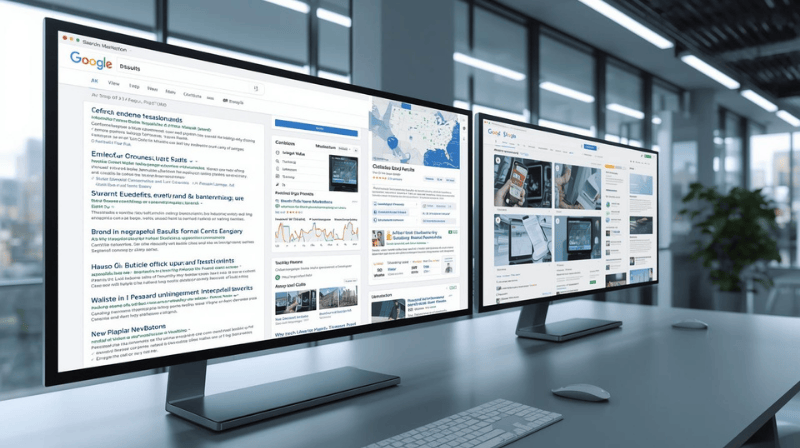
The concept originates from zero-click searches, where search engines display information directly on the results page. According to SparkToro, a large percentage of Google searches now end without users clicking on a website.
How Zero-Click Experiences Work
Zero-Click Marketing relies on creating content that platforms can display directly to users.
Examples include:
-
Featured snippets in search results
-
Knowledge panels and quick answers
-
Informative social media posts
-
Local business profiles
-
Short-form educational content
These formats allow users to consume valuable information instantly while strengthening brand visibility.
Why Zero-Click Marketing Is Transforming Digital Strategy
The growing influence of Zero-Click Marketing reflects broader changes in how people search for and interact with information online.
Changing Search Behavior
Users increasingly expect quick answers rather than navigating multiple pages. Search engines now provide answers directly through:
-
Featured snippets
-
People Also Ask sections
-
Knowledge panels
-
Local search results
According to Google Search documentation, well-structured content and clear answers improve the chances of appearing in these enhanced results.
For businesses, this means success is no longer measured only by website traffic but also by visibility across search interfaces.
Platform-Based Content Consumption
Social media platforms also support the zero-click model. Instead of encouraging users to leave the platform, they prioritize content that provides value directly within the feed.
Examples include:
-
LinkedIn insight posts
-
Instagram educational carousels
-
Short-form videos explaining concepts
-
Informative threads and visual guides
Brands that deliver meaningful insights directly within these platforms often achieve stronger engagement and reach.
Key Zero-Click Marketing Strategies for Businesses
To succeed with Zero-Click Marketing, businesses must rethink how they structure and distribute their content.
Optimize Content for Featured Snippets
Featured snippets appear at the top of search results and provide direct answers to user questions.
Businesses can increase their chances of appearing in these results by:
-
Using question-based headings
-
Providing concise explanations
-
Including bullet lists for clarity
-
Structuring content logically
This approach improves search visibility even when users do not immediately click on the website.
Create High-Value Social Media Content
Zero-Click Marketing also relies heavily on content created specifically for social media platforms.
Effective formats include:
-
Educational posts
-
Industry insights
-
Data-driven visuals
-
Short tutorials
When audiences gain valuable information directly from the post, they are more likely to remember the brand and interact with future content.
Strengthen Local Search Visibility
For many businesses, zero-click engagement happens through local search results.
Important strategies include:
-
Maintaining an updated business profile
-
Encouraging customer reviews
-
Sharing announcements or offers
-
Adding relevant images and updates
Local search visibility can lead directly to customer inquiries, phone calls, or visits without requiring a website interaction.
The Strategic Role of Content in Zero-Click Marketing
Content remains the foundation of successful Zero-Click Marketing, but it must be optimized for fast consumption and platform visibility.
Deliver Instant Value
Modern audiences often prefer quick insights rather than long explanations. Businesses can deliver instant value through:
-
Short tips
-
Quick guides
-
Visual explanations
-
Industry statistics
These content formats help brands remain visible across multiple digital touchpoints.
Build Authority and Trust
Zero-Click Marketing is also about building credibility. When users repeatedly encounter valuable insights from a brand across search engines and social platforms, the brand becomes a trusted source of expertise.
According to Harvard Business Review, organizations that consistently share expert knowledge are more likely to influence decision-making among professional audiences.
Challenges of Zero-Click Marketing
Although Zero-Click Marketing offers many advantages, it also presents certain challenges that businesses must manage.
Reduced Website Traffic
One concern is that providing answers directly within platforms may reduce website visits. However, visibility and brand authority can still lead to inquiries, partnerships, and conversions.
Businesses must therefore focus on overall brand presence rather than only website analytics.
Measuring Marketing Impact
Traditional marketing metrics such as page views may not fully capture the impact of Zero-Click Marketing.
Organizations should also monitor:
-
Search impressions
-
Social media reach
-
Engagement rates
-
Brand mentions
These indicators provide a broader understanding of digital influence.
How IQC Solutions® Helps Businesses Implement Zero-Click Marketing
Adapting to modern marketing strategies requires a clear understanding of how digital platforms distribute and prioritize content. Many organizations struggle to move beyond traditional traffic-focused marketing models.
IQC Solutions® helps businesses design digital strategies that focus on visibility, engagement, and authority across search engines and social platforms. By combining marketing expertise with modern technology insights, the company helps organizations implement strategies that align with changing digital behaviors.
Through our services, businesses can access consulting and development solutions that support digital marketing, content optimization, and platform-focused engagement strategies. These services help organizations build scalable marketing systems that remain effective as digital platforms continue evolving.
Companies working with IQC Solutions® can also develop integrated digital strategies that combine website presence with strong platform visibility. This balanced approach ensures businesses maintain authority both on their websites and across the broader digital ecosystem.
The Future of Zero-Click Marketing
Zero-Click Marketing will continue expanding as search engines, social networks, and AI-powered platforms prioritize faster information delivery. Voice search, AI assistants, and smart devices are already influencing how users access information.
Organizations that adapt to these changes will be better positioned to capture attention and build trust in competitive markets. By focusing on delivering value directly within platforms, businesses can strengthen brand recognition while still supporting broader digital marketing goals.
Conclusion
Zero-Click Marketing represents a significant shift in how businesses approach digital engagement. Instead of focusing only on website traffic, companies must now consider how their content appears across search engines, social platforms, and digital ecosystems.
By optimizing for featured snippets, creating platform-native content, and delivering quick, valuable insights, businesses can reach audiences more effectively. While website visits remain important, success in modern marketing increasingly depends on meeting customers where they already spend their time.
Organizations that embrace this strategy will be better prepared to build authority, increase visibility, and maintain strong customer relationships in an evolving digital environment.